Kenya Safari Planning for Dutch Speakers: 7-Day Route
Planning a first safari from the Netherlands can feel like solving three puzzles at once: visas, costs, and route choices. Kenya safari planning for Dutch speakers starts with a few honest decisions. Do you need a Dutch-speaking guide? How much should you save? Which parks deserve your limited days? This practical guide answers those questions in order, so you can compare options with confidence.
Do You Need a Dutch-Speaking Safari Guide in Kenya?
No, a Dutch-speaking guide is not essential for most Kenya safaris. Professional Kenyan driver-guides usually work in English and often have stronger local wildlife knowledge than language-specific guides. Request Dutch only if it improves comfort for children, older travelers, or anyone who finds English tiring. If you do request Dutch, confirm the named guide, language ability, route coverage, backup plan, and any daily surcharge in writing before paying.
A Dutch-speaking guide can be a genuine asset for conversation and cultural translation, but availability is more limited. English-speaking Kenyan guides know where to find leopards, how to position the vehicle for light, and what to do when a pride of lions is spread across the road. The right test is simple: would a language link improve your trip enough to justify the extra fee? If yes, ask your operator to name the guide and not just the language. If no, keep the budget for a private conservancy instead.
Do Dutch Citizens Need a Visa for Kenya?
Dutch passport holders must obtain Kenya’s Electronic Travel Authorization before departure. Apply through the official eTA system with a passport valid for at least six months, a passport photo, and flight details. Carry both a digital and printed approval because airline or immigration staff may request it.
The eTA is not a traditional visa, and there is no reliable visa-on-arrival backup for Dutch travelers. Apply online in advance, well before your departure date.
How Much Does a Kenya Safari Cost in Euros?
Budget about €150 to €250 per person per day for a basic safari, €250 to €450 for mid-range lodges and camps, and €500 or more for premium conservancy travel. A seven-day mid-range safari commonly costs about €2,500 to €3,500 per person before international flights. Park fees, guide language supplements, and exchange rates affect the final quote.
| Safari style | Indicative rate per person per day |
|---|---|
| Basic lodge or camp | €150 to €250 |
| Mid-range lodge or camp | €250 to €450 |
| Premium conservancy camp | €500 or more |
Note that Kenya’s park fees and many lodge tariffs are quoted in US dollars. The euro equivalent moves with exchange rates, so ask for a quote that states both currencies. The figures above are indicative for 2026 and exclude flights. For a fuller breakdown, see our Kenya safari cost guide.
How Many Days Do You Need for a Kenya Safari?
Allow at least six full safari days for a first visit. Seven to nine days suits a comfortable two-area route, while ten to fourteen days allows additions like Samburu, a private conservancy, or a coastal stay. Flying between distant parks saves road time but raises the cost.
For most Dutch travelers, seven days is a realistic compromise. You can see two very different habitats, keep driving times moderate, and still have time for a full game-viewing day at each location. If you have extra days, add Lake Nakuru for rhinos and birds, or extend to the coast. For route ideas beyond the classic pair, explore Kenya safari itineraries by region.
Kenya Safari Planning for Dutch Speakers: A 7-Day Route
A practical seven-day Kenya safari route for first-time Dutch travelers includes one night in Nairobi, three nights in Amboseli, and three nights in the Masai Mara. That provides two full game-viewing days at each park, a buffer for connecting flights, and a return to Nairobi without a punishing final drive.
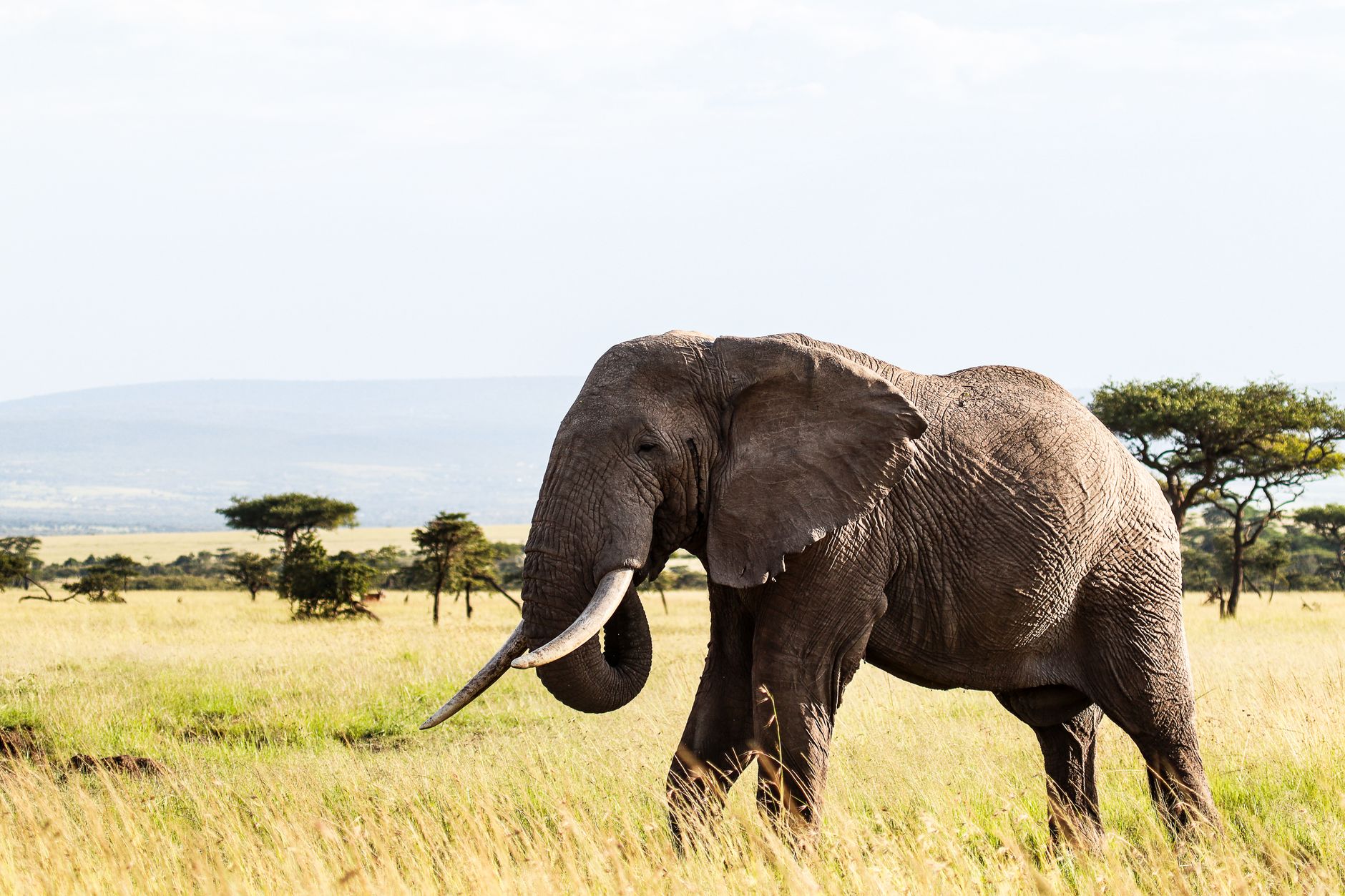
Start in Amboseli for elephants with Mount Kilimanjaro in the backdrop, then fly or drive to the Masai Mara for big cats and open savannah. A road transfer between the two parks takes most of a day, so build in a buffer rather than planning a game drive on travel days. If you prefer shorter drives, swap the road transfer for a domestic flight and accept the higher cost. This is the classic Masai Mara and Amboseli safari pairing, and it works because the habitats are so different.
Which Kenya Parks and Conservancies Should Dutch Travelers Choose?
Choose Amboseli for elephants and Mount Kilimanjaro views, the Masai Mara for big cats and seasonal wildebeest movement, and Lake Nakuru for a compact bird and rhino focused stop. For quieter sightings and night drives, consider private conservancies such as Naboisho or Mara North, where vehicle limits and community arrangements can improve the experience.
In Amboseli, elephants gather near marshy edges even in dry season, and the mountain view frames nearly every morning drive. In the Mara, focus your time on the reserve or a neighboring conservancy. A conservancy such as Naboisho or Mara North charges a higher nightly rate, but it limits vehicle numbers and returns tourism income directly to Maasai landowners. That can mean more patient sightings and a stronger conservation story. For deeper background, read our Amboseli safari guide and Masai Mara safari guide. If you have room for a third stop, the Lake Nakuru guide explains the compact rhino and bird circuit.
When Is the Best Time for a Kenya Safari?
July to October offers concentrated wildlife, dry conditions, and a chance of witnessing wildebeest river crossings, but it also brings higher prices and more vehicles. January to March can provide excellent game viewing with fewer crowds. April and May are wetter and often cheaper.
The trade-offs matter more than the migration headline. If river crossings are your priority, plan the Mara leg between late July and October and ask your operator which camps monitor crossing points. If you prefer quieter moments, January to March can be strong for predators, although grass may be taller and animals more scattered. Wet months can still deliver excellent elephant viewing in Amboseli, and rates drop. For a month-by-month look at the Mara, see when to visit the Masai Mara.
What About Flights, Health, and Packing from the Netherlands?
Most Dutch travelers begin with a direct Amsterdam-Nairobi flight, then connect through Wilson Airport or a domestic airstrip. Leave a generous arrival buffer before an onward safari flight, arrange current medical and malaria advice with a travel clinic, and pack layers: dawn drives can be cold even when daytime temperatures are warm. Soft-sided luggage is easiest for small aircraft.
Kenya is generally safe for Dutch tourists who use registered operators, follow camp briefings, and stay alert in cities. Avoid walking alone after dark, keep valuables hidden, and use trusted transfers arranged by your lodge. Your guide will brief you on wildlife rules before the first drive, and that briefing is worth taking seriously.
For a complete list, see our Kenya safari packing list. Also remember that Kenya’s less common wildlife deserves attention: if you have time, learn to tell Kenya’s three giraffe species apart before you go.
Once your route is set, the real decision is which operator matches your style. Some Dutch travelers prefer a Kenyan driver-guide with deep local knowledge; others want the ease of a Dutch-speaking guide and pay extra for it. Either way, ask each operator to confirm language, vehicle quality, and conservancy fees in writing before you pay. The bigger question is what kind of morning you want to wake up to: mist over an Amboseli marsh with Kilimanjaro overhead, or the open grass of the Mara with a pride still stretching from the night. That answer, more than any brochure, should decide your route.
More safari planning resources
- Kenya safari packages from SafariPure
- Kenya wildlife tours from Trunktrails Safaris
- Map of Amboseli from Valley Safaris
- Amboseli destination guide on FindMySafari